Saturday, January 25, 2025

Origin of the seasons


In Greek mythology, the story of how the seasons began is connected to Persephone, the daughter of Demeter, the goddess of harvest and agriculture. Persephone was a beautiful young goddess who loved to play in the fields and pick flowers. One day, as she was gathering flowers, Hades, the god of the underworld, saw her and fell in love. He decided to take her as his queen. Suddenly, the earth opened up, and Hades emerged in his chariot. He grabbed Persephone and took her to his dark kingdom beneath the earth.

When Demeter realized her daughter was missing, she was heartbroken. She searched everywhere, but no one could tell her where Persephone had gone. Finally, Helios, the sun god, who sees everything, told her that Hades had taken Persephone with Zeus’s permission.

Angry and grief-stricken, Demeter left Mount Olympus and wandered the earth in disguise. She refused to let crops grow, causing a terrible famine. People suffered, and the gods became worried because humans could no longer offer them food or sacrifices.

Seeing the suffering on earth, Zeus sent Hermes, the messenger god, to the underworld to bring Persephone back. Hades agreed but tricked Persephone into eating six pomegranate seeds before leaving. In Greek mythology, anyone who eats food from the underworld must stay there.

Since Persephone had eaten the pomegranate seeds, she could not leave the underworld forever. A compromise was made that Persephone would spend six months of the year with her mother, Demeter.

For the other six months, she would return to the underworld with Hades.

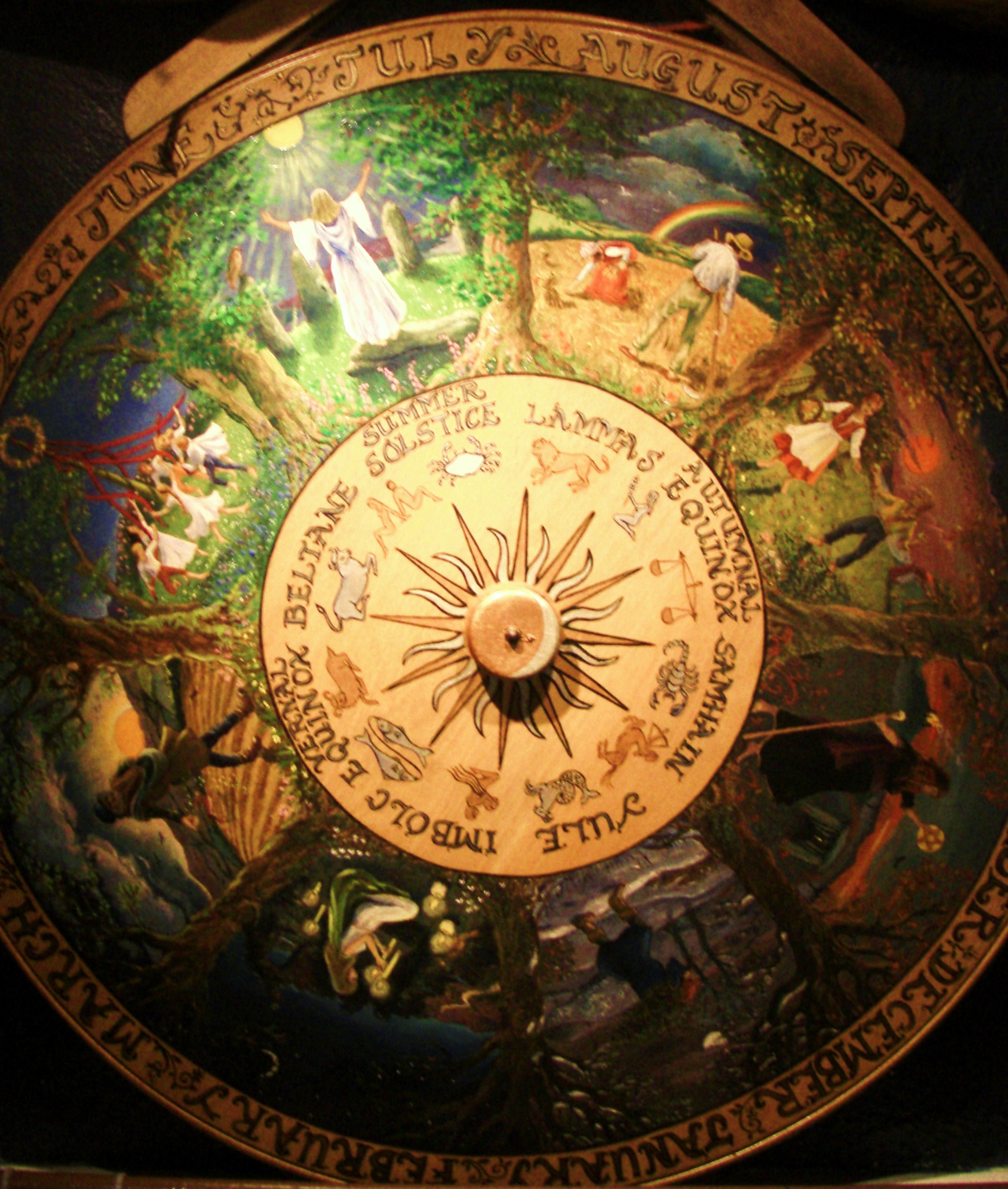
When Persephone is with Demeter, the earth is warm and full of life—this is spring and summer. When Persephone goes back to the underworld, Demeter grieves, and the earth becomes cold and barren—this is autumn and winter.

This myth explains why the seasons change. It also represents themes of life, death, and rebirth, showing how nature goes through cycles of growth and rest.That is the story of how seasons were brought about.


Friday, January 24, 2025

Origin of the word Cicada


The story of Eos and Tithonus is a tragic love tale from Greek mythology about the goddess of dawn, Eos, and her mortal lover, Tithonus.

Eos was the goddess of dawn. Every morning, she would rise from the edge of the world and bring light to the sky before the sun appeared. She was beautiful and known for her love affairs with mortal men.

Tithonus was a handsome young prince of Troy, known for his beauty. Eos fell deeply in love with him and decided she wanted to keep him forever.

Because Tithonus was a mortal, Eos feared he would grow old and die. To prevent this, she asked Zeus, the king of the gods, to grant Tithonus immortality. Zeus agreed and made Tithonus live forever.

But Eos forgot to ask for eternal youth. This meant that while Tithonus could not die, he still aged like a normal human.

As the years passed, Tithonus grew older and weaker. His body shriveled, his strength faded, and he became so fragile that he could barely move. He could never die, but he also could never be young again.

Eos loved him but could do nothing to stop his suffering. She eventually turned him into a first cicada ,an insect(periodical cicadas)known for its long lifespan (13-17 years nymph stage) and for making noise during early hours of dawn when Eos carried out her duties in the sky above .

The story of Eos and Tithonus teaches an important lesson that immortality without eternal youth can be a curse rather than a blessing. It also shows the power of fate in Greek mythology—no one, not even gods, could escape the consequences of their choice.


Thursday, January 23, 2025

Origin of "Narcissus flower"

Narcissus flower

The story of Narcissus in Greek mythology is about a handsome young man whose arrogance and vanity led to his downfall.

Narcissus was the son of a river god and a nymph. He was incredibly beautiful, and everyone who saw him fell in love with him. However, Narcissus was very proud and arrogant. He rejected everyone who loved him, breaking their hearts.

One day, a nymph named Echo fell deeply in love with Narcissus. Echo was cursed to only repeat the words others spoke. When she tried to express her love for him, she could only echo his words. Narcissus cruelly rejected her, leaving her heartbroken. Eventually, Echo wasted away until only her voice remained, which could still be heard in caves and mountains.

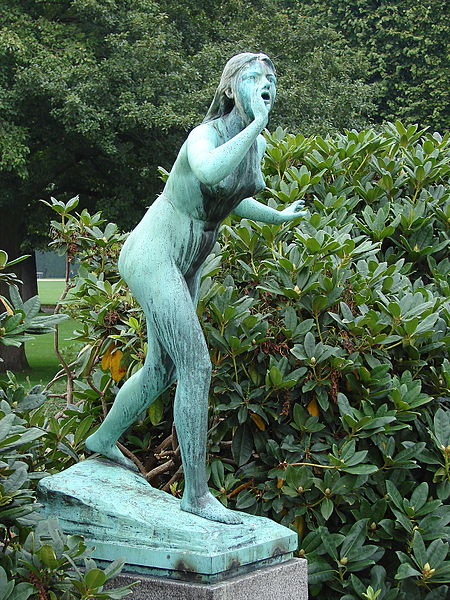
The goddess Nemesis (Greek goddess of vengeance and retribution) who punished arrogance, decided to teach Narcissus a lesson. She led him to a clear, still pool of water. When Narcissus looked into the water, he saw his own reflection and fell deeply in love with it, not realizing it was just an image. He became so obsessed with his reflection that he couldn’t leave the pool. He stayed there, staring at himself, until he eventually wasted away.

After Narcissus died, a flower grew in the place where he had been. This flower was named after him and is now known as the narcissus flower. His story serves as a warning about the dangers of excessive self-love and pride.


Wednesday, January 22, 2025

Origin of the word "Echo"


The word echo originates from Greek mythology and language. It comes from the Greek word ἠχώ (ēkhō), which means "sound" or "reverberation." The name is directly tied to the mythological nymph Echo, whose story explains how echoes came to exist in nature.

Echo was a mountain nymph who loved to talk. She would chatter endlessly, distracting the goddess Hera when Zeus was being unfaithful. When Hera discovered this, she cursed Echo so she could only repeat the last words someone else said.

One day, Echo fell in love with a handsome young man named Narcissus, but because of her curse, she couldn't express her feelings. Narcissus rejected her, leaving her heartbroken. In grief, she eventually wasted away until only her voice remained, repeating the sounds she heard.

The idea behind the word is rooted in Echo's punishment by Hera, where she was cursed to only repeat the words of others. This mirrors the phenomenon of an echo in sound, where a sound wave is reflected back and heard again. Over time, the myth and the natural phenomenon were connected, and the word "echo" became part of many languages, symbolizing repetition or reflected sound.

Tuesday, January 21, 2025

Origin of Arachnid

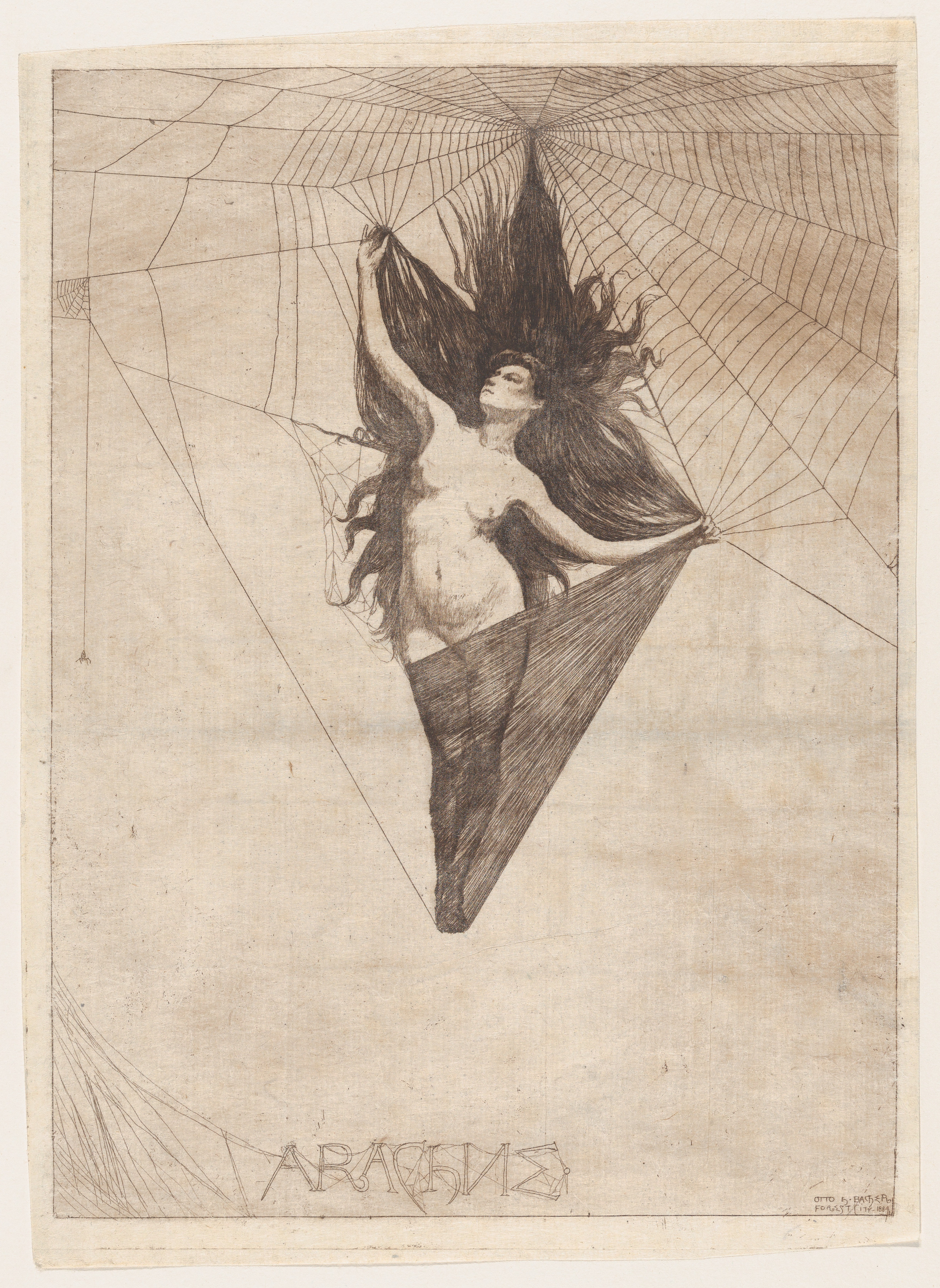
Arachne was a figure in Greek mythology known for her exceptional skill in weaving. She was a mortal woman who lived in Lydia, an ancient region in what is now Turkey. Arachne was so talented in her craft that people from far and wide admired her work. However, her pride in her abilities led to her downfall.

Arachne claimed that her weaving skills were greater than those of the goddess Athena, who was not only the goddess of wisdom but also of crafts, including weaving. This claim angered Athena, who decided to confront Arachne.

In some versions of the story, Athena disguised herself as an old woman and warned Arachne to be more humble and not compare herself to the gods. Arachne, however, dismissed the warning and insisted she was the best weaver.

Athena then revealed her true form and challenged Arachne to a weaving contest. Both worked on their tapestries. Athena wove a tapestry depicting scenes that glorified the gods and warned against disrespecting them. Arachne, on the other hand, wove a tapestry that mocked the gods, showing them in unflattering and embarrassing situations.

Though Arachne's work was flawless, her disrespect angered Athena. As a punishment, Athena destroyed Arachne's tapestry and, in some versions of the myth, struck her with a weaving shuttle. Arachne, ashamed and devastated, either took her own life or was transformed by Athena into a spider, so she and her descendants would weave forever.

This myth explains the origin of the word Arachnid in the biology and the world of spiders, their weaving skills, and it also serves as a lesson about the dangers of hubris (excessive pride or self-confidence) and the importance of respecting the gods.

Origin of the word “Oedipus complex”

The term comes from Oedipus, the tragic hero who unknowingly killed his father and married his mother. Coined by  Sigmund Freud, the “Oedipu...